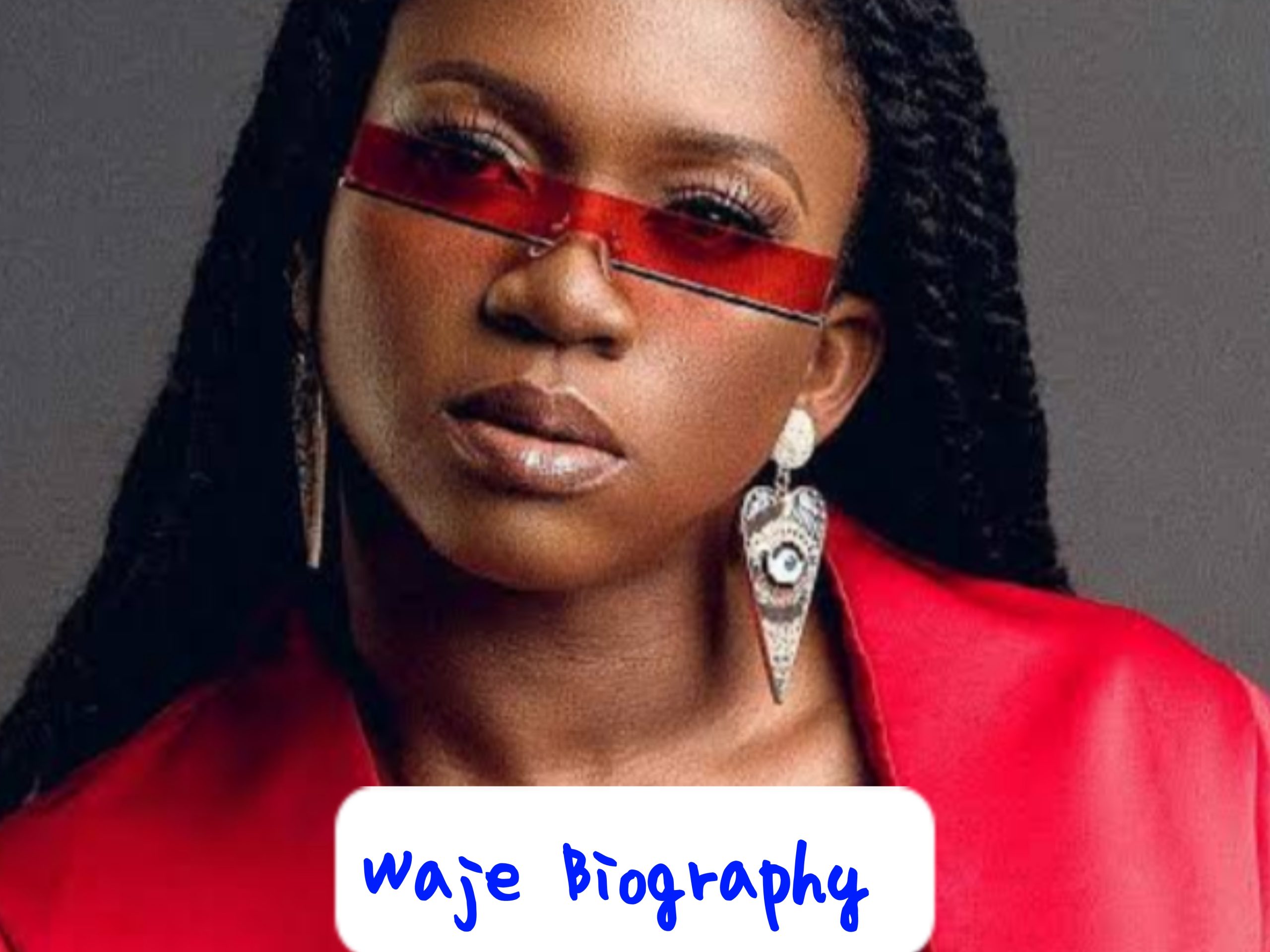
Aituaje Aina Vivian Ebele Iruobe, professionally known as Waje, is a Nigerian singer and songwriter celebrated for her powerful vocal range spanning three octaves and her soulful blend of pop, R&B, soul, and Afro-fusion sounds. Born on 1 September 1981 in Akure, Ondo State, Nigeria, she holds Nigerian nationality with strong ties to Edo State as her primary state of origin through her paternal lineage. Her mother is Igbo from Onitsha in Anambra State, adding a rich multicultural background that includes some Yoruba influences from her paternal grandmother.
Waje first rose to prominence through high-profile collaborations in the late 2000s, notably featuring on P-Square’s hit “Do Me” and contributing to tracks by artists like Banky W and M.I. Over the years, she has built a career defined by resilience, vocal excellence, and versatility, transitioning from church choir roots to mainstream success while navigating personal challenges. Her music often explores themes of love, empowerment, faith, and personal growth, earning her a dedicated fan base across Africa and beyond. As a judge on The Voice Nigeria, actress, and advocate, Waje continues to inspire many through her artistry and life story.
Waje Early Life
Waje was born on 1 September 1981 in Akure, Ondo State, Nigeria. She is the firstborn child and first daughter in her family. Shortly after her birth, her family relocated, and she grew up primarily in Benin City, Edo State. This move shaped much of her early experiences in a culturally vibrant environment in southern Nigeria.
Her parents divorced when she was young, presenting emotional difficulties that she had to overcome. Growing up as the eldest of five children (with three younger brothers), Waje took on responsibilities early. She has described her childhood in Benin City as a mix of sweet and challenging moments. She enjoyed active play, choir activities at camp meetings, and dance-dramas with friends, but also faced the realities of family changes.
Waje showed an early passion for music. She joined the choir at Word of Faith Group of Schools, where her exceptional voice caught the attention of the late Archbishop Benson Idahosa. Impressed by her talent, he provided support throughout her secondary school years, including helping with her education. This mentorship proved vital during tough times.
A significant challenge came during her final year of secondary school. Waje became pregnant at around age 16 or 17 while preparing for her West African Senior School Certificate Examinations. She hid the pregnancy from her mother for about five months. When revealed, it led to temporary exclusion from the church choir due to societal views on pregnancy outside marriage. Her mother confronted the boy’s family, but he denied responsibility. Under Igbo custom, the child stayed with the mother’s family. Waje’s mother and extended family, including her aunt (often called Big Mommy), stepped in to support her, allowing Waje to continue her education.
These experiences built her resilience. She listened to influences like Whitney Houston and Aretha Franklin to hone her craft, practicing during school concerts and fellowships.
Waje Education
Waje attended Word of Faith Group of Schools in Benin City for her primary and secondary education. Despite the interruption from her pregnancy, she completed her studies with support from Archbishop Idahosa.
After secondary school, she moved to Nsukka and enrolled at the University of Nigeria, Nsukka (UNN), where she earned a bachelor’s degree in Social Work. This field aligned with her love for humanity and desire to help others. While at university, she balanced academics with music, performing at school events and working part-time in tourism. Her time in Enugu and Nsukka also allowed her to focus on raising her young daughter with family help.
Her education provided a foundation in understanding social issues, which later influenced her advocacy work and thoughtful approach to her career and personal life.
Waje State of Origin and Family Background
Waje’s state of origin is Edo State, specifically linked to Sabongida Ora in Owan West Local Government Area through her father. Her mother hails from Onitsha in Anambra State, making Waje a blend of Edo and Igbo heritage with additional Yoruba roots from her paternal grandmother. She has jokingly referred to herself as a “salad” due to this mixed background.
The Iruobe family emphasized education and faith. As the firstborn, Waje felt a strong sense of duty. Her parents’ divorce affected the family dynamics, but her mother played a central role in her upbringing and in supporting her through single motherhood. Waje has spoken warmly about her aunt and grandmother’s influence, crediting the women in her family for modeling strength and hard work.
This multicultural and resilient family background deeply informs her music and public persona, connecting her to diverse Nigerian audiences.
Waje Career
Waje’s professional music journey began in earnest around 2007, though she had been singing from a young age. Her vocal range and emotive delivery quickly set her apart.
Early Breakthrough and Collaborations
She gained initial recognition through features on popular tracks. Her collaboration on the remake of P-Square’s “Omoge Mi” and especially her prominent female vocals on their 2008 hit “Do Me” brought her national attention. She also featured on Banky W’s “Thief My Kele” and M.I’s “One Naira,” among others. These appearances showcased her powerful voice alongside major artists.
Early on, she signed with a record label as a teenager, which came with challenges, including long-term commitments that limited creative control. She learned valuable lessons about the industry during this period.
Solo Career Development and Debut Album
Waje released several singles in the early 2010s, such as “For A Minute,” “So Inspired,” and “Na The Way.” Her debut studio album, W.A.J.E (Words Aren’t Just Enough), dropped on 1 May 2013. It featured collaborations with artists like Tiwa Savage, M.I, Sarkodie, Phyno, Burna Boy, and others. Standout tracks included “I Wish,” “Onye,” “No Be You,” and “Higher.” The album highlighted her R&B roots with Afro-pop elements and received praise for her vocal performance.
Subsequent Albums and Projects
She followed up with Red Velvet in 2018, an album that allowed more creative freedom and showcased her evolving sound. In 2021, she released the EP Heart Season. In 2022, she dropped Waje 2.0, featuring Tiwa Savage, Falz, and others, and the gospel-influenced Unbroken around her birthday. Other projects include The Misfit (2022) and the 2024 EP Same Human Different Beast.
Her discography demonstrates versatility across pop, R&B, soul, reggae influences, and gospel. Notable songs include “Coco Baby” (with Diamond Platnumz), “Left For Good” (with Patoranking), “Udue” (with Johnny Drille), “Kpolongo,” “Chinese,” “Luvey Luvey” (with KCee), and many more. She has also contributed to soundtracks and campaigns.
- Some popular albums: W.A.J.E (2013), Red Velvet (2018), Waje 2.0 (2022), Unbroken (2022), The Misfit (2022).
- Key singles and features span collaborations that highlight her range and appeal in the Nigerian music scene.
Waje has headlined concerts, including her Red Velvet Concert in Lagos, and performed across Africa.
Acting and Television Work
Waje ventured into acting with her debut in the 2014 film Tunnel. She appeared in She Is (2018/2019) as Ozioma, Nneka the Pretty Serpent (2020), Obara’M (2022), Christmas in Lagos (2024), and other productions. In 2018, she featured in the telenovela Battleground.
She served as a judge on the inaugural season of The Voice Nigeria in 2016 alongside 2Baba, Timi Dakolo, and Patoranking, returning in later seasons. Her coaching style focused on inspiration and hands-on mentorship.
Advocacy and Other Ventures
Waje has advocated for causes like women’s empowerment and poverty reduction. She contributed to the ONE Campaign’s “Poverty is Sexist” with the song “Strong Girl” and collaborated with Bono. She co-founded Hermanes Media with Omawumi for content production. She also runs initiatives like Waje Safe House and invests in real estate.
Waje Awards
Waje has received numerous awards and nominations recognizing her vocal talent and contributions. These include Best Vocal Performance (Female) at the Headies, Best R&B Singer at City People Entertainment Awards, and recognitions at Nigerian Entertainment Awards, South-South Awards, Black Canadian Awards, and World Music Awards. Her work on W.A.J.E earned multiple accolades in 2013, such as Best Recording of the Year and Best Vocal Performance for “I Wish.”
She has won over 20 awards in her career, reflecting consistent excellence.
Waje Personal Life
Waje is a single mother to her daughter, Emerald Iruobe (also known as Emerald Ogo), born when Waje was a teenager. She has openly shared the challenges of teenage pregnancy, the denial of paternity by the father, and raising her child with strong family support. Her mother played a key role, and Waje has prioritized Emerald’s education, including opportunities abroad.
Mother and daughter share a close, open relationship, often featured in heartfelt social media posts and videos. Waje emphasizes teaching independence and financial literacy. Emerald has graduated and begun her own career path.
Waje keeps much of her romantic life private but has spoken about the difficulties of balancing career and relationships as a public figure and single mother. She draws strength from faith and family.
Waje Philanthropy and Influence
Beyond music, Waje supports social causes, mentors young artists, and promotes women’s financial independence. Her journey from early hardships to success serves as motivation for many facing similar challenges.
Conclusion
Waje’s life and career embody perseverance, vocal mastery, and authenticity. From her roots in Benin City to stages across Africa, she has carved a unique path while staying true to her values. Her story continues to unfold through new music, acting, and advocacy, solidifying her place as a Nigerian music icon.
FAQs
What is Waje’s full name and date of birth?
Aituaje Aina Vivian Ebele Iruobe, born 1 September 1981.
Where is Waje from?
She was born in Akure, Ondo State, but grew up in Benin City, Edo State, with paternal origins in Edo State (Sabongida Ora) and maternal Igbo roots from Onitsha, Anambra State.
What are some of Waje’s popular songs and albums?
Popular tracks include “I Wish,” “Onye,” “Coco Baby,” “Do Me” (feature), and many others. Key albums are W.A.J.E (2013), Red Velvet (2018), and Waje 2.0 (2022).
Is Waje a judge on The Voice Nigeria?
Yes, she was a coach on the first season and returned in subsequent seasons.
Does Waje have children?
Yes, she has one daughter, Emerald.
What is Waje’s vocal range?
Her voice covers three octaves, known for its power and emotional depth.