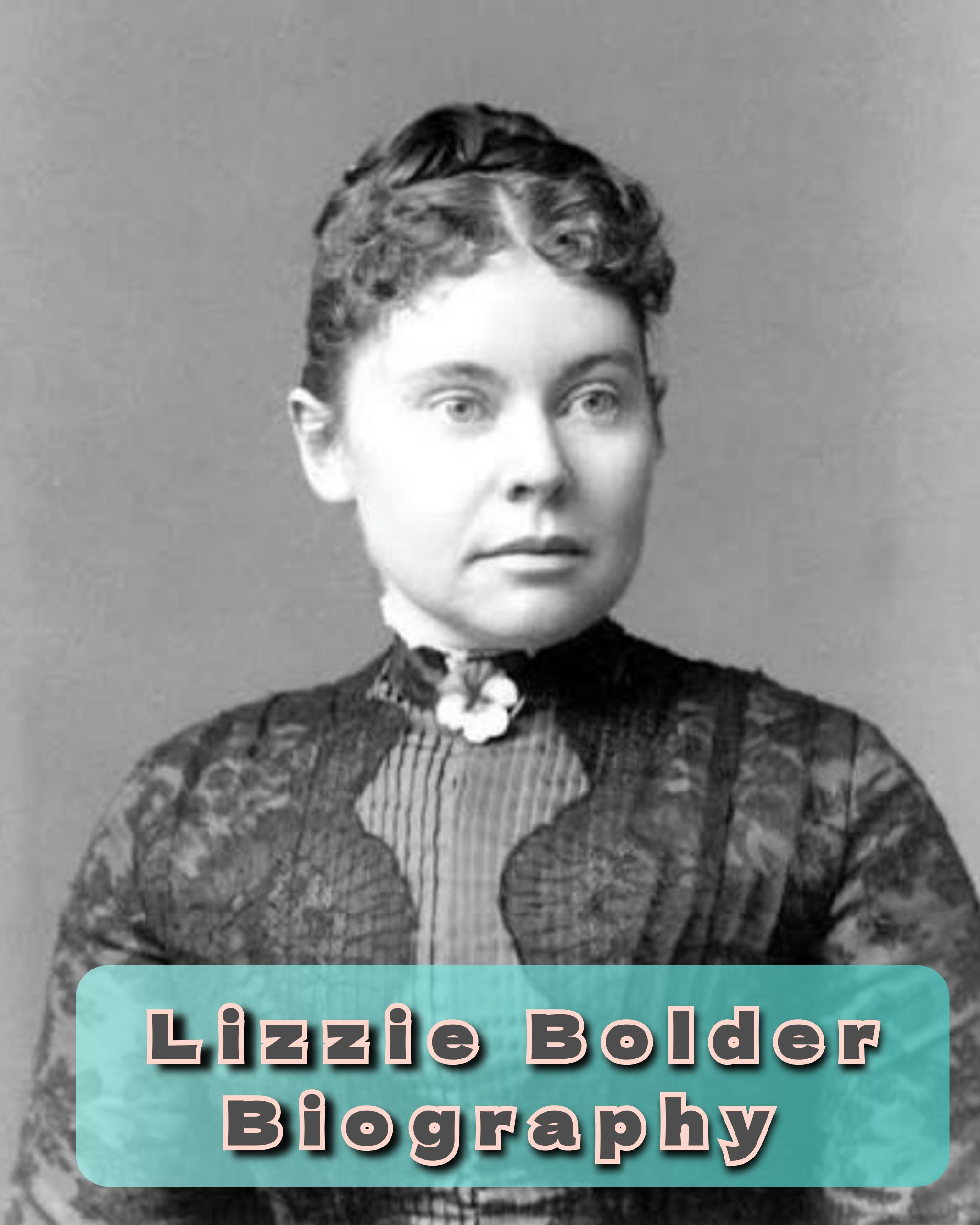
Lizzie Borden was an American woman who became one of the most recognizable figures in American true-crime history after being accused of murdering her father and stepmother in Fall River, Massachusetts, in 1892. Although she was acquitted in 1893, the mystery surrounding the deaths of Andrew Borden and Abby Borden continued to attract public attention long after her trial. Her story has inspired books, films, television productions, and countless discussions about criminal justice, gender expectations, and the limits of historical evidence. In 2026, renewed interest in her biography followed the release of Netflix’s Monster: The Lizzie Borden Story, starring Ella Beatty as Lizzie. This article explores Lizzie Borden’s early life, education, career, family, personal life, age, religion, nationality, physical appearance, net worth, legacy, and the latest developments surrounding her story.
Early Life of Lizzie Borden
Lizzie Andrew Borden was born on July 19, 1860, in Fall River, Massachusetts, United States. She was the younger daughter of Andrew Jackson Borden, a successful businessman who accumulated considerable wealth through property and commercial investments, and Sarah Anthony Morse Borden. Lizzie grew up in a socially conservative New England environment during the Victorian era, when women faced significant restrictions on their independence, careers, and public lives. Her family was financially comfortable, although her father was known for living relatively modestly despite his wealth.
Lizzie’s childhood was marked by the death of her mother, Sarah, in 1863, when Lizzie was only two years old. Her older sister, Emma Borden, was approximately nine years older and became an important figure in her life. In 1865, their father married Abby Durfee Gray, who became their stepmother. Relations within the household have been widely discussed by historians and writers, particularly because tensions within the family became central to later interpretations of the murders. However, many dramatic descriptions of the family’s private conflicts remain disputed or have been embellished in fictional accounts.
Growing up in Fall River, Lizzie attended church and participated in activities associated with respectable middle-class family life. She was involved in charitable and religious organizations and was regarded by some members of her community as a respectable young woman. Her life changed dramatically on August 4, 1892, when her father and stepmother were found murdered in their home. The resulting investigation transformed her from a relatively private resident of Massachusetts into a nationally known figure whose name remains associated with one of America’s most enduring criminal mysteries.
Education of Lizzie Borden
Lizzie Borden received her education in Fall River, Massachusetts, during a period when educational opportunities for girls were expanding but remained different from those available to boys. She attended local schools and acquired the basic academic knowledge expected of a young woman from a financially comfortable family. Her education took place within a social environment that emphasized respectable behavior, domestic responsibilities, religious participation, and preparation for adult life rather than professional independence.
Beyond her early schooling, Lizzie was associated with educational and cultural activities available in her community. She participated in church-related organizations and developed interests that reflected the expectations of Victorian society. Historical accounts do not establish that she earned a university degree or completed a clearly documented professional qualification. It is therefore more accurate to describe her as a woman educated through local schooling and community involvement than to attribute academic credentials to her without reliable evidence.
Lizzie’s educational background is relevant to understanding the historical setting in which she lived. In the late nineteenth century, women from respectable families were often expected to marry, maintain social relationships, and participate in charitable activities rather than pursue careers outside the home. Lizzie never married and did not become known for a conventional professional career. Her subsequent notoriety came from the criminal investigation and trial that made her one of the most discussed women in American history.
Career and Public Life of Lizzie Borden
Lizzie Borden did not have a conventional career in the modern sense. She was not primarily known as an actress, business executive, author, or professional public figure during her lifetime. Instead, her early adult years were shaped by her family’s financial circumstances, household responsibilities, and participation in community and religious activities. Her father’s wealth provided a degree of financial security, although the family’s lifestyle was more restrained than some accounts of their fortune might suggest.
Her public life changed in 1892, when Andrew Borden and Abby Borden were killed in their Fall River home. Lizzie became a central suspect, was arrested, and faced a highly publicized trial in 1893. The prosecution alleged that she had killed her father and stepmother, while the defense challenged the evidence and argued that the accusations had not been proved. After considering the case, the jury found her not guilty. Her acquittal was a major event in the American legal and media landscape, but it did not end public speculation about her possible involvement.
Following her trial, Lizzie continued living in Fall River and became known by the name Lizbeth Borden in some accounts. She purchased a larger residence, Maplecroft, and lived with considerable privacy compared with the attention surrounding her trial. Her later life was shaped by social scrutiny, public curiosity, and a complicated relationship with her sister. Although she never developed a conventional career, her name became a lasting part of American popular culture through the enduring fascination with the Borden murders.
Personal Life and Family of Lizzie Borden
Lizzie Borden’s immediate family played a central role in her biography. Her father, Andrew Borden, was a wealthy businessman whose investments and property holdings supported the family. Her biological mother, Sarah Anthony Morse Borden, died when Lizzie was very young. Andrew later married Abby Durfee Gray, who became Lizzie’s stepmother. The household also included Lizzie’s older sister, Emma Borden, who was an important source of support throughout much of her early life. The deaths of Andrew and Abby in August 1892 placed these family relationships at the center of an investigation that captivated the public.
Lizzie never married and had no publicly documented children. There is no established historical record of a husband or fiancé. Her private relationships have nevertheless attracted attention, particularly in modern fictional retellings of her story. The real nature of her friendships and romantic life remains less clearly documented than her trial and family history. Some modern productions imagine intimate relationships involving Lizzie and people around her household, but those portrayals should not automatically be treated as established historical facts.
Lizzie and Emma initially remained close after their acquittal, and the sisters eventually lived together at Maplecroft. Their relationship deteriorated, however, and Emma moved out in 1905. They reportedly did not reconcile before Lizzie’s death. Lizzie died on June 1, 1927, at age 66, after suffering from pneumonia. Emma died in 1927 as well, several days after her sister. Their lives and eventual separation remain important parts of the broader story of a family whose private tragedy became a matter of enduring public fascination.
Age, Religion, Nationality, Height and Physical Appearance of Lizzie Borden
Lizzie Borden was born on July 19, 1860, and died on June 1, 1927, at the age of 66. She was American by nationality and was born and raised in Fall River, Massachusetts. She was associated with Congregationalist Christianity and attended church during her life, reflecting the religious and social traditions of her New England community. Her faith and involvement in respectable community activities were part of the public image that made the accusations against her especially sensational to contemporary observers.
Reliable historical records do not establish Lizzie Borden’s exact height or provide modern standardized body measurements. Surviving photographs generally depict a woman with a rounded face, dark hair, and a conservative style of dress consistent with the late nineteenth and early twentieth centuries. She wore clothing typical of her social class and era, including high-necked dresses and formal attire in many known portraits. Descriptions of her precise height, weight, eye color, and other measurements should be treated cautiously unless supported by a reliable historical record.
Lizzie’s physical appearance became part of the public’s fascination with her case because many people struggled to reconcile the image of a respectable Victorian woman with the violent allegations made against her. Newspaper coverage, courtroom reporting, illustrations, and later dramatizations shaped how audiences imagined her. Modern television productions often give her a more stylized appearance to suit their storytelling, so actors’ appearances should not be confused with verified details about the historical Lizzie Borden.
Social Media Presence of Lizzie Borden
Lizzie Borden lived from 1860 to 1927, decades before social media existed. She therefore had no personal Instagram account, TikTok profile, Facebook page, or other modern social media presence. Any accounts using her name today should be understood as modern fan pages, historical-interest accounts, or unofficial profiles unless their status is independently verified. There is no authenticated personal Instagram handle that can reliably be attributed to Lizzie herself.
Despite having no social media presence during her lifetime, Lizzie remains a recognizable figure in online true-crime discussions. Her story is frequently revisited through historical photographs, podcasts, documentary programs, online articles, and social media posts. The release of Monster: The Lizzie Borden Story in September 2026 has provided another opportunity for audiences to discuss her life, the trial, and the difference between historical evidence and dramatic interpretation.
People searching for Lizzie Borden on Instagram or other platforms may also encounter posts about Ella Beatty, the actress who portrays her in the 2026 Netflix series. Beatty’s professional social media activity belongs to the actress, not to the historical woman. Keeping that distinction clear is important for readers researching Lizzie Borden’s biography and the recent entertainment coverage surrounding her story.
Lizzie Borden Net Worth
Lizzie Borden’s exact net worth at the time of her death is not reliably established by a single authoritative historical figure. She came from a wealthy family, and her father, Andrew Borden, accumulated substantial assets through business activities and property investments. Nevertheless, the family’s wealth should not be confused with Lizzie’s individual net worth, because inherited property, shared family assets, personal expenses, and estate distributions are separate financial matters.
Following her acquittal, Lizzie purchased Maplecroft, a substantial residence in Fall River, and continued living with the financial resources available to her. Her lifestyle and property ownership indicate that she had access to considerable means compared with many people of her era. However, without a verified accounting of her assets, liabilities, inheritance, and estate at death, assigning her a precise modern-dollar fortune would be speculative.
Lizzie did not earn a documented professional salary from acting, business management, or another conventional occupation. Her financial position was principally connected to her family’s wealth and personal property rather than a public career. For that reason, an accurate biography should state that her net worth is unknown rather than repeat unsupported online estimates. Any attempt to calculate a present-day equivalent would require reliable estate records and careful adjustment for inflation and historical property values.
Legacy of Lizzie Borden
Lizzie Borden’s legacy is inseparable from the 1892 murders of Andrew and Abby Borden and her acquittal the following year. The case became a landmark in American true-crime history because of its gruesome details, intense media attention, and the unresolved question of responsibility. Her trial also reflected the gender and class assumptions of the period, as contemporary observers debated whether a woman from a respectable family could have committed such violence. The jury’s verdict established that she was not guilty under the law, but public speculation continued for decades.
Her name later entered American folklore through a famous skipping rhyme that refers to the alleged axe attacks. The rhyme is not a reliable account of the murders, and its exaggerated wording has helped blur the distinction between historical evidence and popular legend. Books, plays, films, documentaries, and television programs have continued to reinterpret her story, sometimes presenting conflicting theories about what happened inside the Borden home. These adaptations have kept the case in public memory while also contributing to misconceptions about the historical record.
In 2026, Netflix’s Monster: The Lizzie Borden Story brought the case to a new audience through a dramatic portrayal starring Ella Beatty. The series explores the psychological and social pressures surrounding the character while taking creative liberties with historical events and relationships. Its release demonstrates the continuing appeal of Lizzie Borden’s story, but it does not resolve the murders or provide new proof of guilt. Her lasting legacy lies in the intersection of criminal history, media sensationalism, gender expectations, and the enduring human desire to solve an unsolved mystery.
Conclusion
Lizzie Borden remains one of the most discussed figures in American criminal history because her life combines an affluent family background, a sensational murder investigation, a highly publicized trial, and a mystery that has never been conclusively resolved. Although she was acquitted of the murders of Andrew and Abby Borden in 1893, public debate about her possible involvement continued throughout her life and beyond her death in 1927. Her family relationships, private life, and experience of social isolation help provide a fuller understanding of the woman behind the legend. The 2026 Netflix series has renewed interest in her biography, but historical evidence must remain distinct from fictionalized portrayals. Ultimately, Lizzie Borden’s story continues to raise questions about justice, reputation, gender, and the way popular culture transforms unresolved historical events into enduring legends.
Frequently Asked Questions About Lizzie Borden
Who was Lizzie Borden?
Lizzie Borden was an American woman who was accused of murdering her father, Andrew Borden, and stepmother, Abby Borden, in Fall River, Massachusetts, in 1892. She was acquitted in 1893, and the murders remain unresolved.
How old was Lizzie Borden when she died?
Lizzie Borden was 66 years old when she died on June 1, 1927. She was born on July 19, 1860, in Fall River, Massachusetts.
Was Lizzie Borden married, and did she have children?
No. Lizzie Borden never married and had no publicly documented children. There is no established historical record of a husband or fiancé.
Who were Lizzie Borden’s parents and sister?
Her parents were Andrew Jackson Borden and Sarah Anthony Morse Borden. Her stepmother was Abby Durfee Gray Borden, and her older sister was Emma Borden.
What was Lizzie Borden’s education?
Lizzie attended local schools in Fall River, Massachusetts. No reliable evidence establishes that she earned a university degree or completed a professional qualification.
What was Lizzie Borden’s religion?
Lizzie was associated with Congregationalist Christianity and participated in church-related activities in her New England community.
What was Lizzie Borden’s nationality?
Lizzie Borden was American. She was born in Fall River, Massachusetts, in the United States.
How tall was Lizzie Borden?
Her exact height has not been reliably established in standard historical records. Claims giving a precise measurement should be treated cautiously unless supported by a credible source.
What was Lizzie Borden’s net worth?
Her exact personal net worth is unknown. She had access to family wealth and owned property, including the Maplecroft residence, but a reliable total of her assets at death is not established.
Did Lizzie Borden really kill her father and stepmother?
Lizzie was accused of the murders but found not guilty in 1893. No one was convicted of the killings, and the case remains unresolved. Her legal acquittal should be distinguished from continuing public speculation.
Is Lizzie Borden on Instagram?
No authenticated personal Instagram account belongs to Lizzie Borden because she died in 1927, long before social media existed. Modern accounts using her name are not evidence of a personal profile.
What is the latest news about Lizzie Borden in 2026?
The major recent development is the release of Netflix’s Monster: The Lizzie Borden Story on September 17, 2026. The series stars Ella Beatty and has renewed interest in the historical case, but it does not establish new proof resolving the murders.
What is Lizzie Borden famous for?
Lizzie Borden is famous for being tried and acquitted in the 1892 murders of her father and stepmother. Her case remains a major part of American true-crime history and folklore.