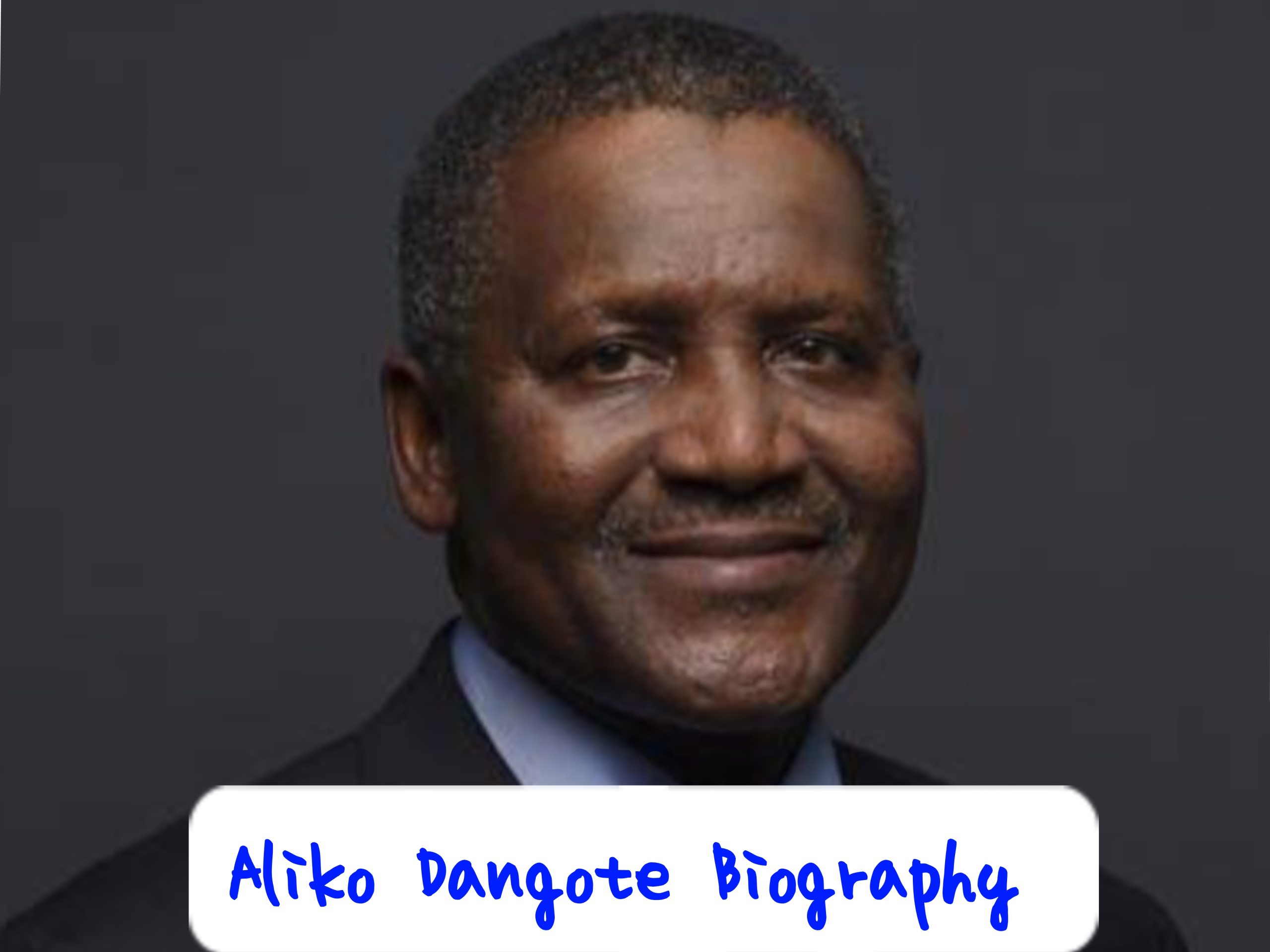
Aliko Mohammad Dangote is a Nigerian businessman and industrialist recognized as Africa’s wealthiest individual and a leading figure in continental industrialization. Born in Kano, Nigeria, he founded the Dangote Group, which has grown from a small trading operation into one of Africa’s largest industrial conglomerates, spanning cement, sugar, fertilizer, petrochemicals, and refining. His work has significantly influenced Nigeria’s economy and extended across multiple African countries through large-scale manufacturing and infrastructure projects.
Dangote’s approach emphasizes local production to reduce import dependence, create jobs, and foster self-reliance. His flagship Dangote Refinery, one of the world’s largest single-train facilities, along with extensive cement operations and fertilizer plants, demonstrates a commitment to building industrial capacity on the continent. As of recent estimates, his net worth positions him among the global elite while he continues to expand operations with a vision for a more industrialized Africa.
Aliko Dangote Early Life and Background
Aliko Mohammad Dangote was born on 10 April 1957 in Kano, Kano State, Nigeria (then British Nigeria). He is of Hausa descent and was raised in a prominent Muslim family with deep roots in commerce and trade. His full name reflects his cultural heritage, and “Aliko,” given by his maternal grandfather Sanusi Dantata, means “the victorious one who defends humanity.”
Kano, a historic commercial hub in northern Nigeria, shaped his early environment. The city has long served as a center for trade across West Africa, with markets handling goods like groundnuts, textiles, and other commodities. Dangote’s family background provided both privilege and exposure to business. His maternal great-grandfather, Alhassan Abdullahi Dantata, was one of the wealthiest traders in West Africa during the colonial era, supplying groundnuts to companies like the Royal Niger Company and building a vast trading network.
His mother, Mariya (née Dantata), came from a wealthy family and worked as a businesswoman and philanthropist. She played a significant role in his upbringing, especially after his father, Mohammed Dangote, a businessman who owned a transport company, died when Aliko was around eight years old. Dangote has often credited his mother and maternal relatives with instilling strong business values and discipline. He regards his maternal grandfather Sanusi Dantata and uncle Usman Amaka Dantata as key paternal figures who influenced him.
Dangote grew up in an entrepreneurial household where trading was a way of life. As a child, he showed early interest in business by selling boiled sugar sweets to classmates and saving his profits. This hands-on experience taught him basic principles of buying, selling, and managing money. The family’s trading traditions, spanning generations, provided a foundation for his later success. Kano’s vibrant markets and the broader northern Nigerian business culture emphasized resilience, relationships, and long-term thinking—qualities that would define his career.
The state of origin for Dangote is Kano State, a key economic and cultural center in Nigeria’s northwest. Kano State is known for its agricultural output, particularly groundnuts, grains, and livestock, as well as its historic role as a trading crossroads. The Dantata family’s prominence in Kano’s commerce linked Dangote to a legacy of private enterprise that predated Nigeria’s independence. This regional heritage, combined with Hausa cultural values of enterprise and community, influenced his focus on industries that serve everyday needs like food, construction, and energy.
Raised as a Muslim, Dangote received early education in a madrasa, which provided religious and moral instruction alongside basic learning. He completed primary education in a public school in Kano. These formative years in a family and community that valued commerce, education, and faith helped shape his worldview. By his teenage years, he had already absorbed lessons from family elders about risk, opportunity, and the importance of building something enduring rather than relying solely on trading.
Aliko Dangote Education
Aliko Dangote attended Sheikh Ali Kumasi Madrasa for primary schooling and later Capital High School in Kano. He completed his secondary education at Government College, Birnin Kudu, graduating in 1978. This institution provided a solid academic grounding during a period when formal education was expanding in northern Nigeria.
After secondary school, he traveled to Egypt to pursue higher education at Al-Azhar University in Cairo, one of the world’s oldest and most respected institutions, particularly noted for Islamic scholarship and various academic programs. He earned a bachelor’s degree in business studies and administration. The experience abroad exposed him to different business environments and reinforced his interest in commerce and management. Upon graduation, he returned to Nigeria ready to apply his knowledge in the local market.
Dangote’s education combined traditional Islamic learning with modern business studies. This blend supported his practical approach to industry, emphasizing efficiency, scale, and adaptation to local conditions. He has spoken about how early exposure to family business complemented his formal studies, giving him both theoretical understanding and real-world instincts.
Aliko Dangote Career
Aliko Dangote began his professional journey in 1977 with a small loan of about $3,000 from his uncle. He started trading commodities such as sugar, salt, rice, and other food items, initially operating from Lagos after moving there from Kano. This trading phase built his capital and market knowledge.
Aliko Dangote Early Trading and Foundation of Dangote Group
In 1981, he established Dangote Nigeria Limited and other entities focused on imports of bulk materials like steel and aluminum alongside food commodities. His operations grew steadily through the 1980s and 1990s as he expanded his trading network. Recognizing the limitations of pure trading, particularly foreign exchange challenges and import dependence, he shifted toward manufacturing. This transition marked a pivotal strategic move toward backward integration—producing what he previously imported.
Aliko Dangote Expansion into Manufacturing
Dangote entered cement production in the late 1990s and early 2000s, supported by government policies favoring local manufacturing. He built large plants, starting with Obajana in Kogi State, which became one of Africa’s largest. Dangote Cement grew rapidly, achieving significant capacity and expanding to multiple countries including Ethiopia, Senegal, Tanzania, Zambia, Cameroon, Ghana, and others. Today, it operates with a capacity exceeding 50 million tonnes per year across Africa, making it the continent’s largest cement producer.
He applied similar strategies to sugar refining, flour milling, and salt production. Dangote Sugar Refinery became a major player, contributing to local production and reducing imports. These businesses benefited from vertical integration, where the group controls aspects of the supply chain from raw materials to distribution, including its own power generation, logistics fleets, and packaging.
Aliko Dangote Diversification into Fertilizer, Petrochemicals and Refining
A major milestone came with the Dangote Fertilizer plant, one of the world’s largest urea producers, aimed at boosting agricultural productivity and food security. The most ambitious project is the Dangote Petroleum Refinery in Lekki, Lagos—a $20+ billion investment with an initial capacity of 650,000 barrels per day, the largest single-train refinery globally. It began operations in 2024 and includes petrochemical capabilities. Plans exist to expand it further to 1.4 million barrels per day.
This refinery addresses Nigeria’s long-standing reliance on imported refined petroleum products despite being a major crude oil producer. It supports energy security, creates jobs, and has potential for exports across Africa. The group has also ventured into ports, logistics, and other infrastructure to support its operations.
Aliko Dangote has pursued pan-African expansion, with investments in countries across West, East, and Southern Africa. The Dangote Group operates in over 17 countries, employing tens of thousands and contributing to local economies through taxes, jobs, and supply chains. His strategy focuses on producing essential goods at scale to meet domestic and regional demand.
Aliko Dangote Business Strategies and Challenges
Dangote’s model relies on large-scale investment, vertical integration, and long-term planning. He has navigated challenges including infrastructure deficits, regulatory hurdles, currency fluctuations, and competition. Critics have pointed to market dominance and policy influences, but his supporters highlight job creation, industrialization, and reduced import bills. He has faced disputes, such as legal battles over cement competition and refinery crude supply issues, yet continued to adapt and expand.
His vision includes transforming the group into a $100 billion revenue business, with ambitions in mining, gas, data centers, and further regional projects. Succession planning is evident as his daughters—Mariya, Halima, and Fatima—take on senior executive roles across cement, sugar, energy, and other segments.
Aliko Dangote Awards
Aliko Dangote has received numerous honors for his business achievements and philanthropy. He holds the Grand Commander of the Order of the Niger (GCON), Nigeria’s second-highest national honor, and was the first non-governmental figure to receive it. Other awards include the Commander of the National Order of the Republic of Benin, Commander of the National Order of Valour from Cameroon, Order of Merit of Niger, and Commander of the Order of the Lion from Senegal.
He has appeared on TIME Magazine’s list of 100 most influential people and received recognition from organizations like the Africa-America Institute. In 2025, TIME named him among the world’s top 100 philanthropists. Additional honors include the National Productivity Order of Merit and various business leadership awards.
Aliko Dangote Philanthropy
Aliko Dangote established the Aliko Dangote Foundation with a significant endowment, focusing on health, education, nutrition, and economic empowerment. The foundation spends tens of millions annually on initiatives across Africa. Key efforts include combating childhood malnutrition, supporting polio eradication in partnership with the Bill & Melinda Gates Foundation, and contributing to COVID-19 relief through the Coalition Against COVID-19.
Education projects include donations for university hostels, scholarships, and early childhood programs. The foundation has supported infrastructure at institutions like Ahmadu Bello University and promotes vocational training. Dangote views philanthropy as a way to give back and build human capital, aligning with his industrial goals.
Aliko Dangote Personal Life
Aliko Dangote maintains a relatively private personal life. He has been married twice—first to Zainab (married 1977, divorced) and later to Mariya Muhammad Rufai (divorced around 2017). He has four children: daughters Mariya, Halima, and Fatima, and an adopted son, Abdulrahman. His daughters hold senior positions in the Dangote Group, reflecting family involvement in the business.
He resides primarily in Lagos and has emphasized focusing on business over personal luxuries. Dangote is known for his disciplined work ethic and commitment to Nigeria and Africa. He has grandchildren and values family legacy, as seen in the roles assigned to the next generation.
Aliko Dangote Impact on Nigeria and Africa
Aliko Dangote’s enterprises have created thousands of direct and indirect jobs, contributed substantially to government revenue through taxes, and reduced Nigeria’s import dependence in key sectors. His cement operations have supported construction booms across Africa, while the refinery aims to stabilize fuel supply and generate export earnings. Fertilizer production supports agriculture, addressing food security challenges.
Regionally, his pan-African footprint promotes intra-African trade and industrialization. He advocates for African-led development, arguing that the continent must produce what it consumes rather than remain a market for foreign goods. Challenges like infrastructure gaps and policy inconsistencies have tested his model, but his persistence has inspired other entrepreneurs.
Aliko Dangote Vision for the Future
Aliko Dangote continues to pursue ambitious expansion plans, targeting significant growth in refining, petrochemicals, fertilizer, and cement capacities. His goals include doubling or more the refinery output, increasing fertilizer production for continental food security, and investing in new sectors like ports and energy infrastructure. He envisions a $100 billion revenue group that drives Africa’s industrial transformation.
Conclusion
Aliko Dangote’s journey from a young trader in Kano to Africa’s foremost industrialist illustrates the power of vision, resilience, and strategic execution. Through the Dangote Group, he has built lasting infrastructure that supports economic development while navigating complex environments. His legacy encompasses not only wealth creation but also contributions to industrialization, job generation, and philanthropy. As his daughters assume greater responsibilities, the next chapter of this empire promises continued impact across Africa. Dangote remains a symbol of what determined African entrepreneurship can achieve.
FAQs
Who is Aliko Dangote?
Aliko Mohammad Dangote is a Nigerian businessman, founder and president of the Dangote Group, and recognized as Africa’s richest person. He built a major industrial conglomerate focused on manufacturing essential goods.
When and where was Aliko Dangote born?
He was born on 10 April 1957 in Kano, Kano State, Nigeria.
What is Aliko Dangote’s net worth?
Estimates vary, but recent figures place his net worth around $25–36 billion, primarily from stakes in cement, sugar, and the refinery.
What businesses does the Dangote Group operate?
The group includes Dangote Cement, Dangote Sugar, Dangote Fertilizer, Dangote Refinery and Petrochemicals, salt, and other operations across Africa.
What is the Dangote Refinery?
It is a massive oil refinery in Lagos with 650,000 barrels per day capacity, designed to meet Nigeria’s fuel needs and enable exports.
How many children does Aliko Dangote have?
He has four children: three daughters (Mariya, Halima, Fatima) and an adopted son.
What awards has Aliko Dangote received?
He holds Nigeria’s GCON and various national honors from Benin, Cameroon, Niger, and Senegal, plus international recognition for business and philanthropy.
What is the Aliko Dangote Foundation known for?
It focuses on health, nutrition, education, and economic empowerment, with major initiatives in polio eradication, malnutrition, and education infrastructure.