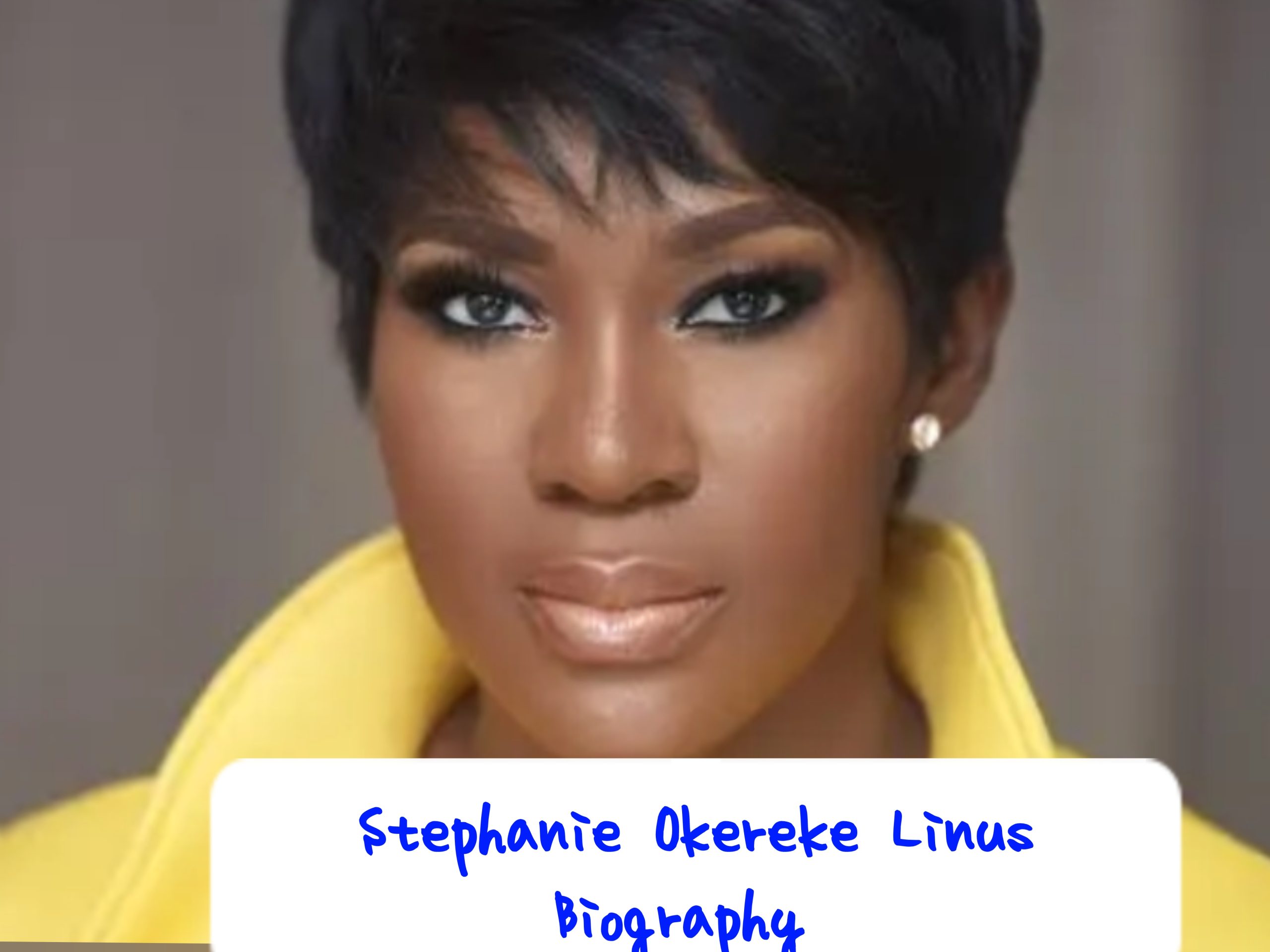
Stephanie Okereke Linus (born Stephanie Onyekachi Okereke on 2 October 1982) is a Nigerian actress, film director, producer, model, and philanthropist. She comes from Ngor Okpala in Imo State, Nigeria, and holds Nigerian nationality. Over the years, she has built a remarkable career in Nollywood while using her platform to advocate for women’s rights, maternal health, and social issues. Her work spans acting in numerous films, directing impactful projects, and engaging in humanitarian efforts that address challenges faced by women and girls across Africa.
Stephanie’s journey reflects talent, resilience, and a commitment to positive change. From her early days in Nollywood to her international recognition as a filmmaker and advocate, she has become a prominent figure in Nigerian entertainment and beyond. Her story inspires many, showing how personal experiences and professional success can drive meaningful societal impact.
Stephanie Okereke Linus Early Life and Background
Stephanie Onyekachi Okereke was born on 2 October 1982 in Ngor Okpala, Imo State, Nigeria. She grew up as the sixth child in a family of eight children born to Mary and Chima Okereke. Her family background is rooted in the rich Igbo cultural heritage of southeastern Nigeria. Imo State, her state of origin, is known for its vibrant communities, entrepreneurial spirit, and strong emphasis on education and family values within Igbo traditions. Ngor Okpala is a local government area that embodies the communal lifestyle typical of the region, where extended family support and cultural pride play significant roles in daily life.
The Igbo people, to whom Stephanie belongs, have a deep history of resilience, particularly after the Nigerian Civil War, which affected the southeastern region. This cultural context likely influenced her values of hard work, perseverance, and community involvement. Stephanie completed her primary and secondary education in Delta State, where she developed an early interest in performing and storytelling. Her large family environment provided a nurturing space for her creative expressions, as she often entertained siblings and friends with her natural charm and talent. These formative years in a close-knit Igbo household instilled in her a sense of humility and determination that would later define her career and advocacy work.
Life in Delta State during her schooling exposed her to diverse influences while maintaining strong ties to her Imo roots. The southeastern part of Nigeria, with its markets, festivals, and emphasis on achievement, shaped her worldview. Stephanie’s early exposure to education and family support laid a solid foundation for her future pursuits in the arts and beyond. Her upbringing in this environment helped foster the confidence needed to enter the competitive world of entertainment as a teenager.
Stephanie Okereke Linus Education
Stephanie pursued higher education at the University of Calabar in Cross River State, where she earned a degree in English and Literary Studies. This academic background equipped her with strong skills in language, analysis, and narrative construction, which proved invaluable in her acting and filmmaking career. Balancing studies with early acting roles demonstrated her discipline and passion from a young age.
Later, she attended the New York Film Academy in the United States. This training enhanced her technical knowledge in directing, producing, and screenwriting. The experience abroad broadened her perspective on global cinema while allowing her to refine her craft for telling authentic African stories. Her education reflects a blend of local roots and international exposure, contributing to her versatility as a creative professional.
Stephanie Okereke Linus Career
Stephanie Okereke Linus began her acting journey as a teenager in 1997, starring in Nollywood films such as Compromise 2 and Waterloo. These early roles marked her entry into the burgeoning Nigerian film industry, which was gaining momentum at the time. Nollywood, known for its prolific output and cultural relevance, provided a platform for her to showcase her talent alongside established actors.
In 2002, she participated in the Most Beautiful Girl in Nigeria beauty pageant and placed as a runner-up, boosting her public profile. The following year, in 2003, she received significant recognition at the Reel Awards, winning Best Actress in English and Best Actress of the Year from multiple nominations. These accolades highlighted her rising status in the industry.
Stephanie Okereke Linus Breakthrough Roles and Nollywood Contributions
Her performance in films like Emotional Crack in 2003 brought further attention. She collaborated with prominent actors such as Ramsey Nouah, Genevieve Nnaji, and Patience Ozokwor in various projects throughout the early 2000s. Titles from this period include Private Sin, Queen Sheba, The Cross of Love, and many others, totaling appearances in over 90 films. Her ability to portray complex characters helped establish her as a reliable and versatile performer in Nollywood.
Stephanie’s work during this era captured themes common in Nigerian cinema, such as family dynamics, romance, and social challenges. She worked with directors and co-stars who shaped the industry’s growth, contributing to stories that resonated with local and diaspora audiences. Her dedication allowed her to navigate the demands of rapid film production while maintaining quality in her performances.
Stephanie Okereke Linus Transition to Directing and Producing
After graduating from the New York Film Academy in 2007, Stephanie took on more behind-the-camera roles. She directed, wrote, produced, and starred in Through the Glass, which received nominations at the Africa Movie Academy Awards, including for best screenplay. This project demonstrated her growth as a multifaceted filmmaker and her desire to control narratives important to her.
In 2014, she released Dry, a film addressing child marriage and vesicovaginal fistula (VVF). Serving as director, writer, producer, and actress (playing Dr. Zara), the movie drew from real-life stories and sparked important conversations. It won several awards, including Best Nigerian Film at the 12th Africa Movie Academy Awards and Best Overall Movie at the 2016 Africa Magic Viewers’ Choice Awards. Dry highlighted her commitment to using cinema for social awareness.
Her directing style emphasizes emotional depth and cultural authenticity. Projects like Dry and later short films, such as those tackling gender-based violence, show her evolution from performer to storyteller with a purpose. Stephanie has also appeared in international productions, expanding her reach.
Stephanie Okereke Linus Modeling and Other Ventures
Beyond acting and directing, Stephanie engaged in modeling, leveraging her pageant experience. Her presence in the public eye extended to brand ambassadorships and entrepreneurial activities. These efforts complemented her entertainment career, showcasing her as a well-rounded professional.
Stephanie Okereke Linus Awards
Stephanie has earned numerous awards and nominations. Early wins include the 2003 Reel Awards for Best Actress categories. She received the 2006 Afro Hollywood Award for Best Actress. Nominations at the Africa Movie Academy Awards for Best Actress in a Leading Role came in 2005, 2009, and 2010. For Dry, she garnered recognition at AMAA, AMVCA, and other festivals, including the Pan African Film Festival.
In 2011, the Nigerian government honored her with the Member of the Order of the Federal Republic (MFR). Humanitarian awards include the Miriam Makeba Award for Excellence and the Beyond the Tears Humanitarian Award. More recently, she became the first Black recipient of the Lennox K. Black International Prize for Excellence in Medicine from Thomas Jefferson University, recognizing her activism in women’s health.
These achievements underscore her excellence in entertainment and contributions to society.
Stephanie Okereke Linus Philanthropy and Activism
Stephanie founded the Extended Hands Foundation to support women and girls affected by obstetric fistula. The organization facilitates surgeries, raises awareness, and improves healthcare access. Her work in this area earned international acclaim and aligned with her film Dry.
From 2017 to 2020, she served as the UNFPA Regional Ambassador for Maternal and Reproductive Health in West and Central Africa. In this role, she advocated for ending child marriage, improving reproductive rights, and supporting education for girls. She conducted outreach, screened films, and engaged with leaders across countries, including efforts that contributed to policy changes like bans on child marriage in some places.
She has spoken against gender-based violence, electoral violence, and human trafficking. Projects like short films on these topics demonstrate her ongoing commitment. Her philanthropy blends personal passion with strategic advocacy, making a tangible difference in communities.
Stephanie Okereke Linus Personal Life
Stephanie married Linus Idahosa in a private ceremony in Paris, France, in April 2012. The wedding was attended by family and Nollywood colleagues. They have two sons: Maxwell Enosata Linus, born in October 2015, and a second son born in May 2022. The family maintains a balance between public life and private moments, often celebrating milestones together.
She faced a serious car accident in 2005 while traveling to an awards event, suffering burns and a broken leg. Her recovery highlighted her resilience, which she has carried into both her career and personal endeavors. Stephanie’s marriage and family life reflect values of partnership and faith.
Stephanie Okereke Linus Legacy and Impact
Stephanie Okereke Linus continues to influence Nollywood and global conversations on women’s issues. Her career trajectory from teenage actress to award-winning director and ambassador illustrates the power of determination and purpose. She remains active in film, advocacy, and family, serving as a role model for aspiring creatives and changemakers.
Conclusion
Stephanie Okereke Linus exemplifies success through talent, education, and advocacy. Her contributions to entertainment and society continue to inspire, leaving a lasting mark on Nigerian culture and beyond.
FAQs
What is Stephanie Okereke Linus date of birth and place of birth?
Stephanie Onyekachi Okereke was born on 2 October 1982 in Ngor Okpala, Imo State, Nigeria.
Where did Stephanie Okereke Linus complete her early education?
She finished primary and secondary education in Delta State before attending the University of Calabar.
What are some notable films directed by Stephanie Okereke Linus?
She directed Through the Glass and the acclaimed Dry, among other projects.
Who is Stephanie Okereke Linus husband?
She is married to Linus Idahosa since 2012.
What awards has Stephanie Okereke Linus won for her humanitarian work?
She has received honors like the Miriam Makeba Award, Beyond the Tears Humanitarian Award, and the Lennox K. Black International Prize.
How many children does Stephanie Okereke Linus have?
She has two sons.